Yorkshire Dialect: 20 Local Words and Phrases Explained
Yorkshire is a big place and its speech is bigger. A word that is plain everyday English in Barnsley can raise an eyebrow in Whitby, and the other way round. Add centuries of farming, mining, milling and fishing vocabulary, plus a thick layer of Old Norse from the settlers who gave the region bairn, laik and wark, and you have one of the richest dialect landscapes in Britain.
None of the twenty entries below is a museum piece. You will still hear all of them in kitchens, shops, vans and school playgrounds across the county. Read them aloud as you go: half the character of these words is in how they are said, not how they are written.
The Everyday Workhorses: Nowt, Owt, Summat, Allus
Learn these four first. Between them they carry a fair share of ordinary Yorkshire conversation, and they slot into sentences without ceremony.
- Nowt — nothing. There's nowt in t'fridge. The n- does the negating, just as it does in "nought". Nowt much means "not a lot"; thanks for nowt is firmly sarcastic.
- Owt — anything. Have you got owt to eat? Endlessly useful, because it doubles as a short follow-up question: Owt else?
- Summat — something. There's summat up with t'car. Stress the first syllable: SUM-mat, never sum-MAT.
- Allus — always. He's allus late, that one. Say it "AW-lus" and the spelling will take care of itself.
A word on tone. To an ear trained elsewhere, nowt can sound blunt, even rude. It is not. Yorkshire conversation tends towards the dry and economical rather than the unfriendly, and a flat "nowt" is simply the shortest honest answer available. If you want to soften it, add much.
Mardy, Nesh and Other Ways to Describe People
Here is where Yorkshire earns its reputation for plain speaking. The vocabulary for human behaviour is precise, and usually kinder than it sounds.
Mardy describes someone who is sulking or prone to a strop. It is used of children and adults alike, generally with a hint of affection. Don't get mardy. Someone in the middle of a sulk might be teased as a mardy bum: mildly mocking, rarely genuinely unkind.
Nesh means unusually sensitive to cold. Put a coat on, you nesh thing. There is gentle mockery in it, but a forgivable sort. The word can also mean soft or delicate in a wider sense.
Bairn is a child, and it turns up in phrases all over the north. T'bairn's asleep. They've got three bairns. It is an old Norse word that has outlived almost everything else that arrived with it.
Chuffed means pleased. I'm chuffed to bits with that. It is not exclusively Yorkshire, but it sits comfortably here, and it has travelled across Britain without losing its warmth.
Ginnels, Snickets and the Brew That Fixes Everything
Ginnel — a narrow passage running between buildings, usually flagstoned and often gloomy even at midday. It is a town word. Cut through t'ginnel, it's quicker.
Snicket — also a narrow passage, but more often a path between walls or hedges, the sort that leads from the edge of a village out towards a field. It is a country word, and more common in the north of the county. The two overlap and people defend their own choice fiercely. A rough guide: houses on both sides, call it a ginnel; a hedge, call it a snicket. If you are unsure, ask, because you will get a story as well as an answer.
Brew — a cup of tea, offered as a matter of course. Fancy a brew? To mash is to brew it: I'll mash t'tea. Nobody is reaching for potatoes. Being offered a brew within five minutes of arriving at a house is not small talk; it is the standard welcome.
Put wood in t'hole — shut the door. The wood is the door, the hole is the doorway, and the phrase is a cheerful instruction rather than a complaint. Put wood in t'hole, there's a draught.
Ey Up, Nah Then and Si' Thi
Yorkshire greetings are famously undemonstrative, which is not the same as unfriendly.
Ey up — hello. It also works as a mild alert when something unexpected happens: Ey up, what's going on here? It is common across Yorkshire, Derbyshire and Nottinghamshire, and usually comes out as one word, eyup.
Nah then — hello there, often followed by a name or a term of endearment. Nah then, love. How's your mam? It is a greeting that expects an answer.
Si' thi — goodbye, from "see thee". Si' thi later. It is also written sithee, and the two syllables often collapse into something closer to "sithee".
The disappearing "the"
You will see this written as t': t'pub, t'road, t'foot of our stairs. Resist the urge to say "tuh". Most speakers reduce it to a catch in the throat, and the spelling is only a rough attempt to get that onto the page. It turns up most often in fixed phrases and after a consonant. T'foot of our stairs, incidentally, is an expression of surprise, roughly "well I never".
Reyt, Wark, 'Appen and Laik
Reyt (also spelled reight) means right, and works as an intensifier too. It were reyt good means it was very good. Are you reyt? means are you all right. Note were rather than was: the dialect keeps the older form with singular subjects.
Wark — to ache, or an ache. Me back's warking. I've got a bit of a wark in me knee. It is a sturdy, unsentimental word, and it fits a long day's work better than "discomfort" ever will.
'Appen — perhaps, maybe. 'Appen it will, 'appen it won't. The dropped h is part of the word, not a mistake. It is a softener, which makes it useful when a conversation is heading towards an argument.
Laik — to play. They're laiking out. Give over, I'm laiking. Another Norse survival, and one that still sounds entirely natural in a playground.
Using Yorkshire Words Without Overdoing It
Dialect is not a costume. The safest approach is to learn a few words properly rather than sprinkle twenty badly.
- Start with two. Nowt and summat will get you through most conversations without causing offence.
- Listen for the vowel. Reyt, wark and laik live or die on their pronunciation. Copy the person in front of you rather than the spelling on the page.
- Match the register. Ey up suits a neighbour across the street and sounds odd in a formal meeting. Mardy is fine between friends and risky about a stranger's child.
- Ask when you are unsure. Yorkshire people enjoy arguing about the difference between a ginnel and a snicket. A genuine question is a better opening than a confident guess.
The dialect shifts every few miles, and it always has. Words you pick up in Sheffield may not follow you to York, and a term your grandmother used may already be fading. That is less a loss than a sign of living speech, still being argued over in shops and on buses. Learn a handful, use them lightly, and let the rest come to you.
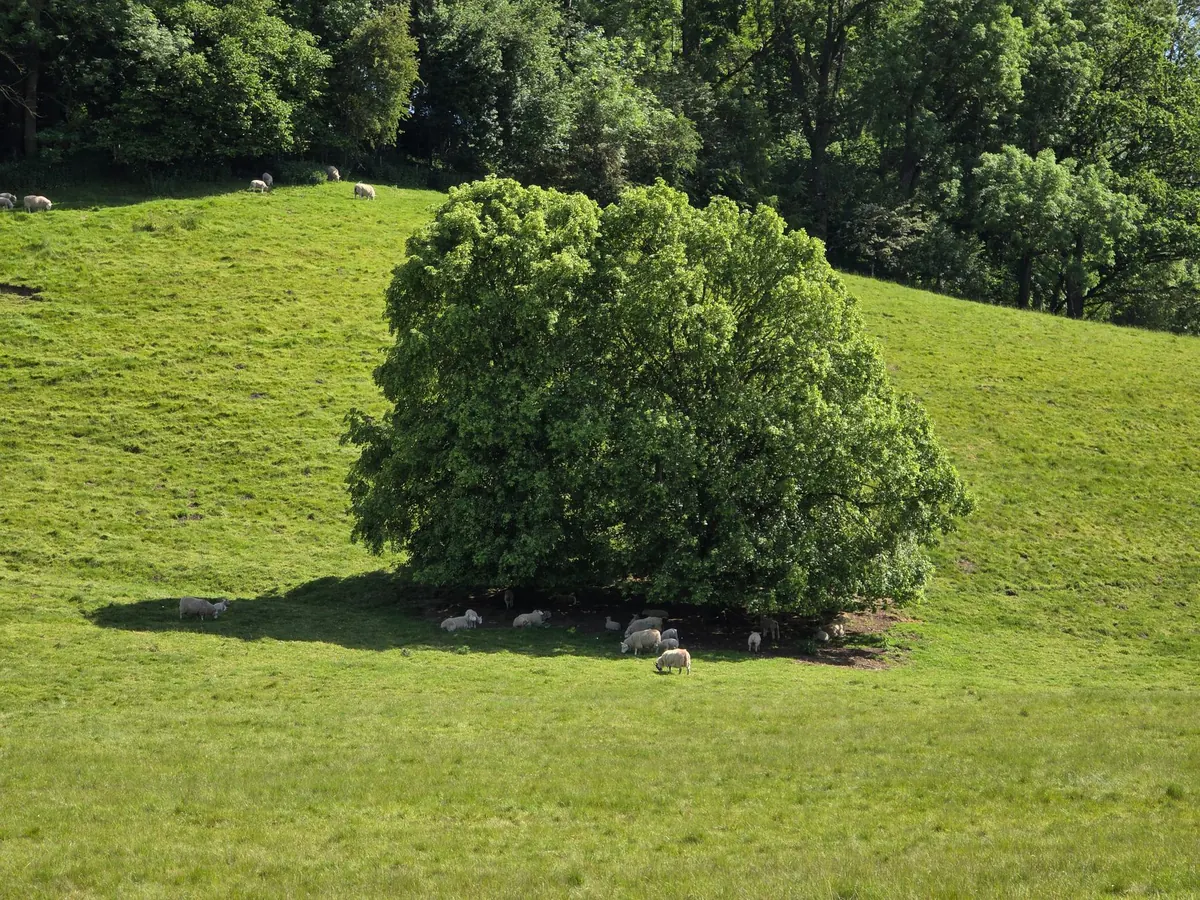
Photo: Linda Kokina / Pexels

Scrabble vs Countdown: Which Word Game Builds Vocabulary Best?
Scrabble rewards rare words and precise spelling; Countdown rewards long, everyday words found fast. Here...
Where British Place Names Come From: An Etymology Explainer
British place names are built from recurring Old English, Norse, Celtic and Latin elements. This guide...
About Us